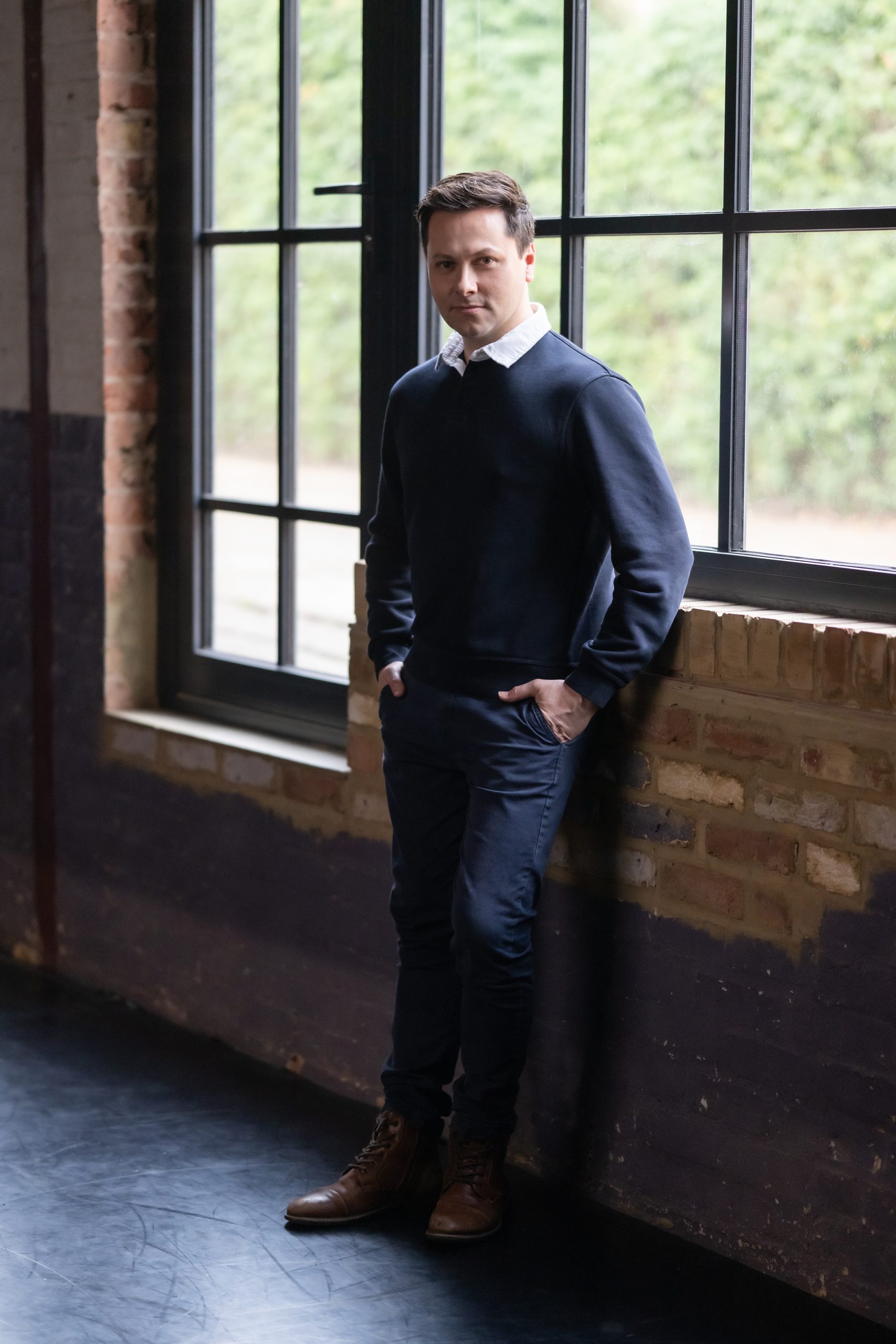
Christopher Marney on Ghostly Theatres, Defying Expectations & Being in the Room with John Neumeier
When London City Ballet returns to York Theatre Royal this September, it does so with a programme that looks simultaneously backwards and forwards. At its centre is the UK premiere of Glen Tetley’s Firebird, a rarely seen 1981 reimagining of Stravinsky’s famous ballet, alongside a newly tailored version of John Neumeier’s Ghost Light.
The balance between preservation and reinvention is particularly fitting for Artistic Director Christopher Marney. Inspired by London City Ballet as a child, Marney was the driving force behind the company’s revival almost thirty years after it closed and its new life as a touring company capable of bringing ambitious dance to regional theatres once again.
Ahead of Firebird arriving at York Theatre Royal, Sean Sable spoke to Marney about what it takes to bring ballet on the road and how dance can bring the past into conversation with the present.
For audiences coming to Firebird – a Mixed Bill, what are they going to see, and what made you want to bring Firebird and Ghost Light together in the same programme?
They’re two very different works, and I think that’s part of what makes the programme interesting. I wanted to give audiences two ballets with very different backgrounds, from different choreographers, that perhaps make them think about dance in different ways.
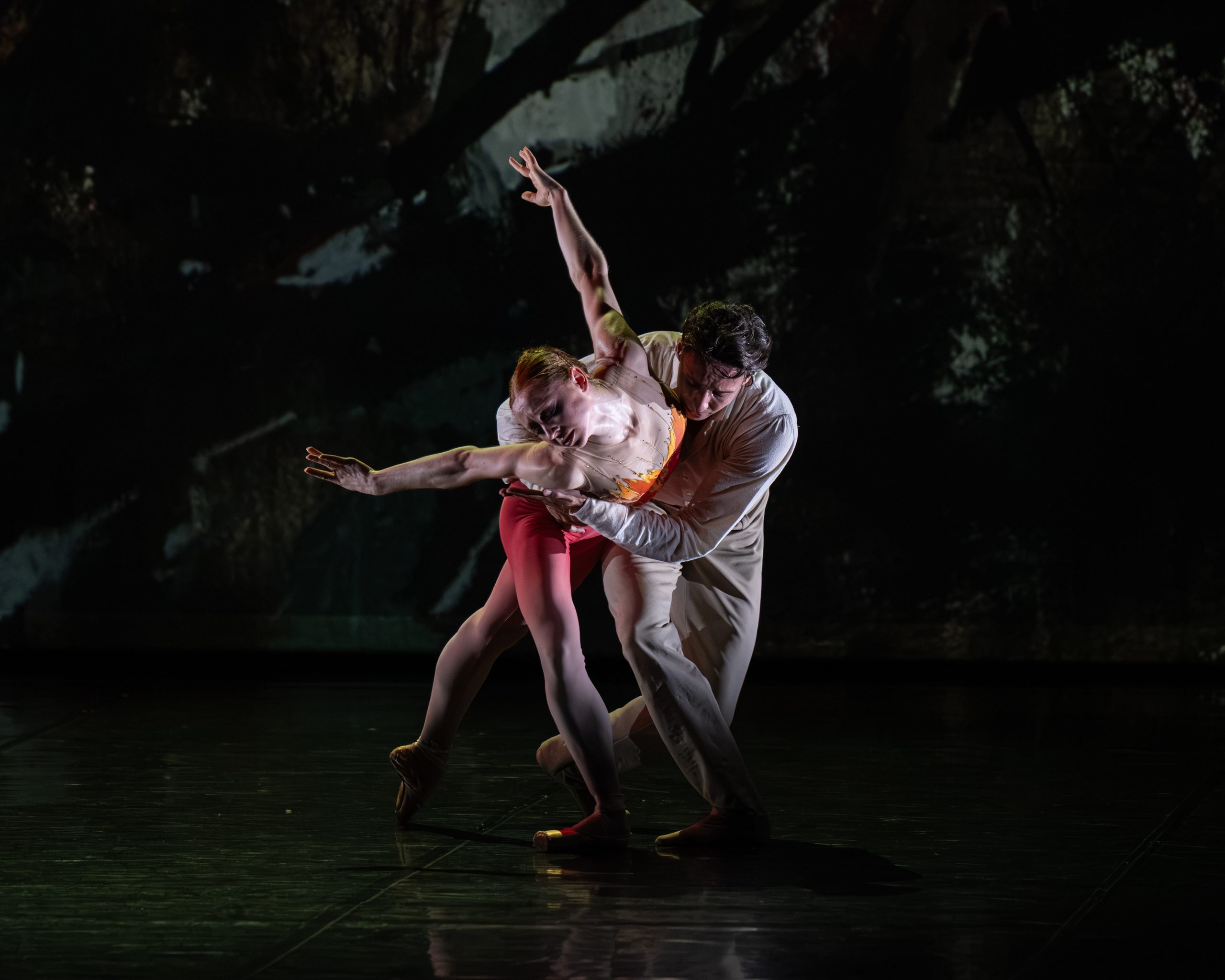
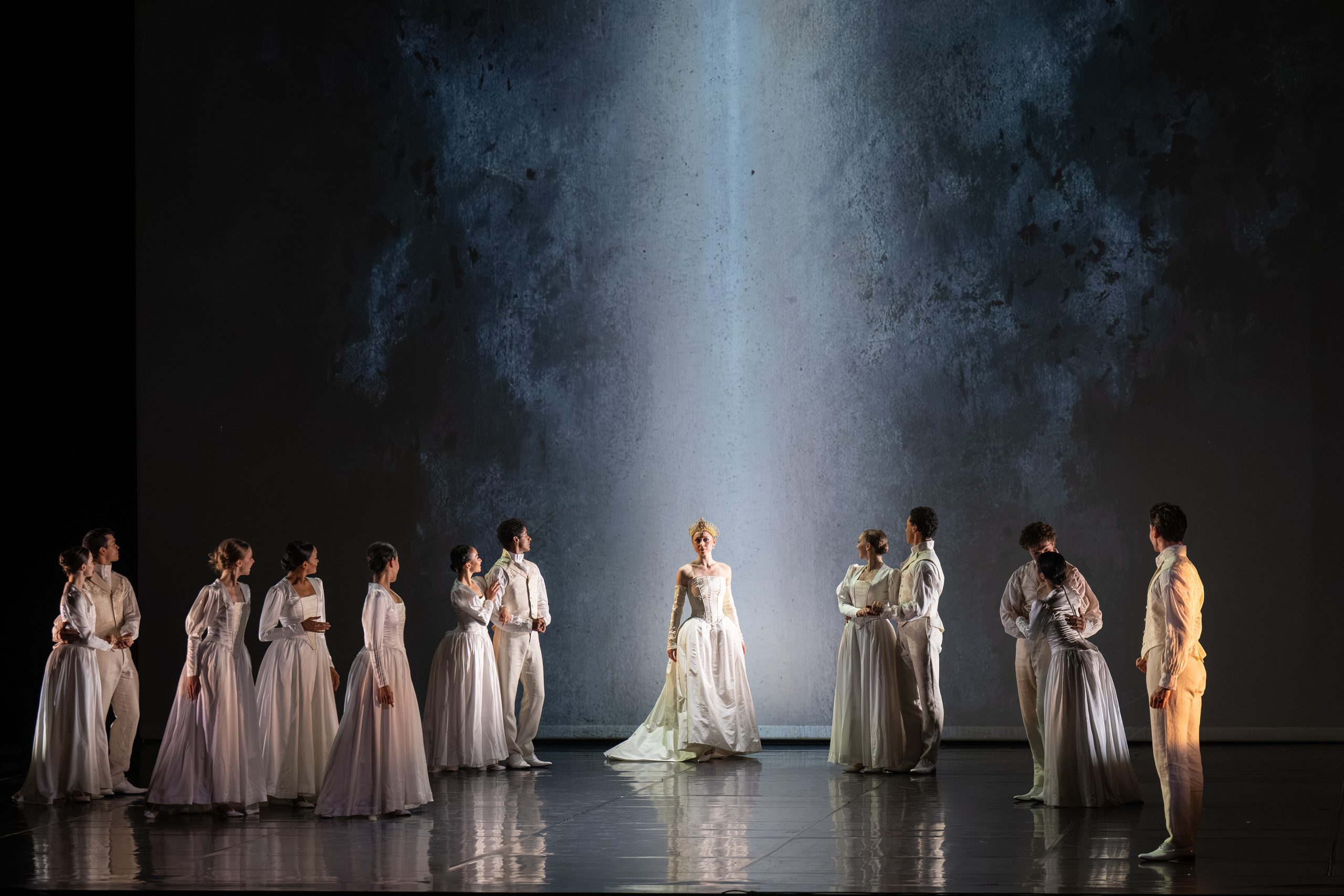
Firebird, which ends the evening, is the more accessible narrative piece. It feels almost like a storybook, but it tells a very different story to the original Firebird. It’s not a classic tutu version of a hundred-year-old ballet. It’s about being an outsider and not fitting into the form that’s expected of you. We follow a young girl who wants to be different to her siblings and takes a leap of faith, trying to do something that no one in her era has before.
It’s set in Edwardian times and packaged very much like a fantasy, almost like a picture book, but so many of those ideas are transferable to people’s lives now. It’s about wanting to break free from what is expected of you, so although it exists in this fantasy world, it has relevance.
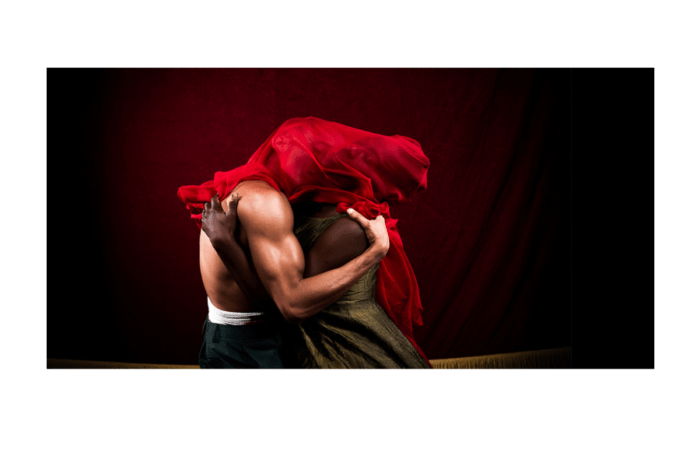
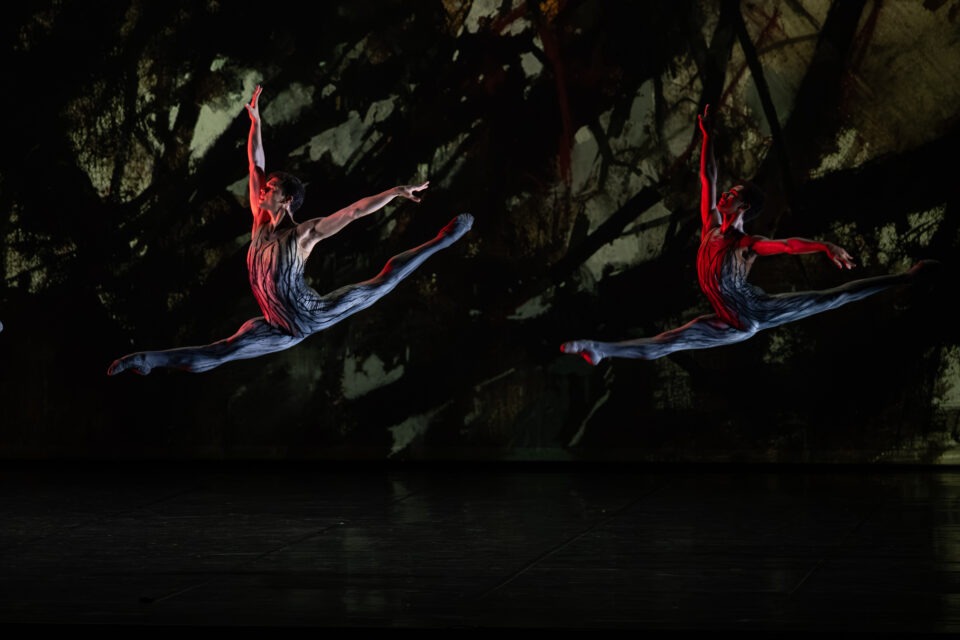
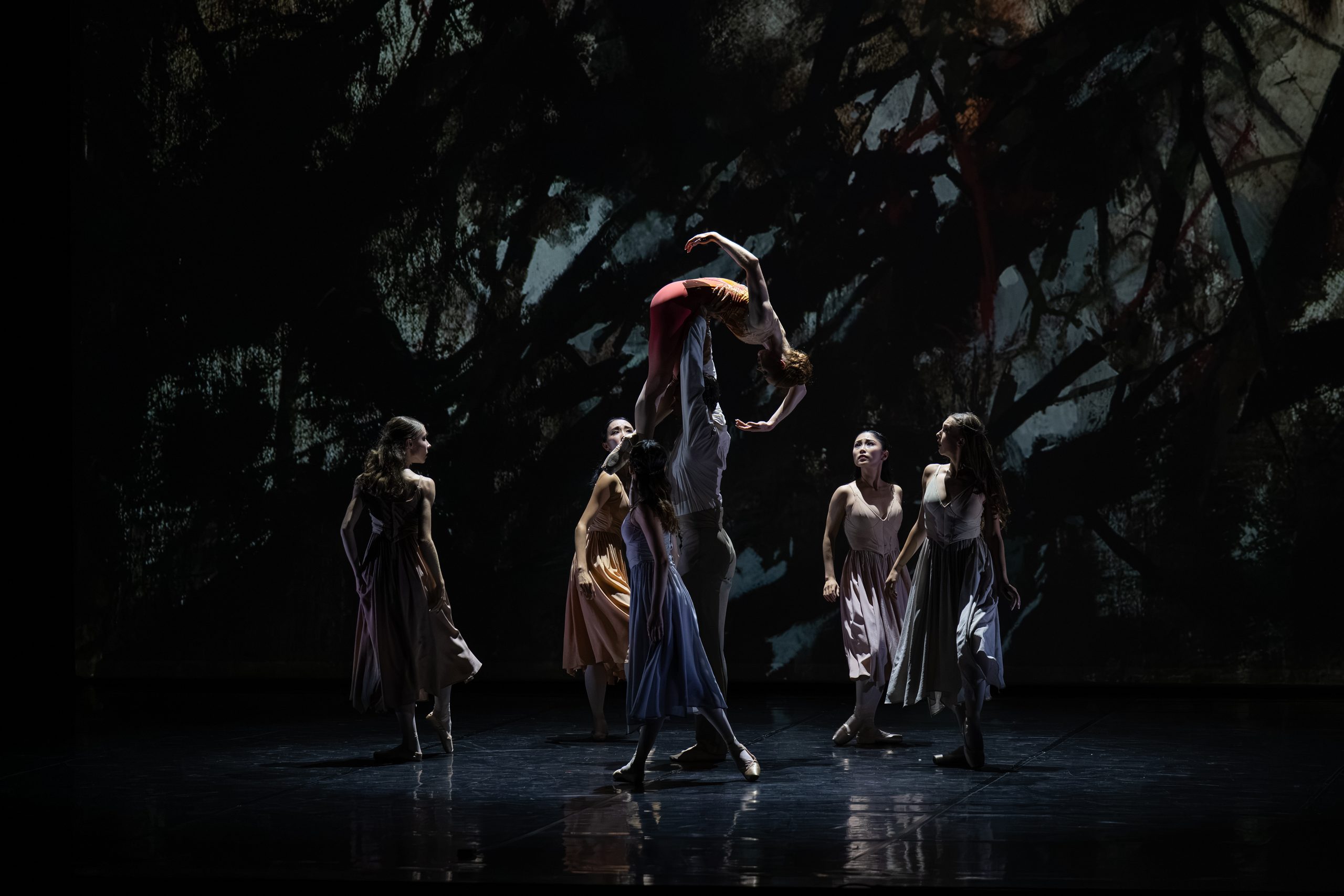
Ghost Light is almost the opposite visually. It’s completely stripped back. When you come into the theatre, you see the workings of the theatre itself: the wings, the back wall and this solitary ghost light on the stage. The idea is that when the theatre is empty, the spirits of the musicians, dancers and actors who have performed there over the centuries come back and inhabit those spaces.
You saw London City Ballet yourself as a child. How did those memories eventually lead to bringing the company back?
When I was a child, we could go to our local theatre and have this plethora of experience because it had very reasonable rates and opened the doors to everyone. I grew up in Essex, and it was a little bit like York is now, with this rich programme of music and dance and drama and pantomime. London City Ballet was part of that for me, and I had harboured all these memories of the company, having seen them as a child.
Touring then became a huge part of my own career as a dancer. I was never in a company that was resident in one building; we were constantly touring internationally, and I had the bug for it. I loved seeing new audiences and seeing how they appreciated dance in different ways and in different geographical locations.
But over the last ten years or so, I’ve seen it becoming harder and harder for smaller arts organisations to tour without massive support. Companies are going on the road with very little money, losing money and then deciding not to do it anymore. I was desperate to come up with a model that worked: a certain number of dancers, a certain number of trucks carrying costumes and set, enough performances in each venue to make sure we could break even. My mission was to create a touring company for this generation.
And then there was London City Ballet. I thought, what a shame that thirty years on, this company that had inspired me as a child no longer existed. There were no assets left after such a long time, but there was this fantastic name and history, and I thought that shouldn’t be forgotten. I think it’s so important not just to create the new, but to respect and remember what has come before us and opened up the opportunities for us to do these things.
It fits with the work I want to do now as well, because a lot of that is about bringing back ballets we don’t often get to see. The original Firebird, set to Stravinsky’s score, dates back to 1910, but Glen Tetley created his own version in 1981. This is the first time Tetley’s Firebird has been brought back to the stage since its original production. In a way, that mirrors what we’ve done with the company itself: bringing something back, then using it as a vehicle to return other works to the stage.
York Theatre Royal is playing an important role in bringing Firebird back. How has that partnership developed?
Staging any of these works is a huge feat, and for a company like us that doesn’t have a home venue, the final stage of actually getting the piece onto the stage can be the most difficult part. That’s where the partnership with York Theatre Royal has been so important. They’re enabling us to properly bring Firebird to the stage for its UK premiere on 18 September. It’s the first time the ballet will ever have been seen in the UK; it wasn’t performed here originally in the eighties either.
York Theatre Royal has helped make sure we can bring in the right artistic team and collaborators who were there at the time. For example, John Macfarlane, the original designer from the 1981 production of Firebird, is coming back to help deliver his vision on stage.
Just as importantly, York is giving us the time in the theatre to experiment, finesse the lighting and make sure the dancers are comfortable in their roles before we deliver the premiere. For a touring company without its own permanent stage, having that space and support makes a huge difference.
John Neumeier has been closely involved in creating this new version of Ghost Light. What was it like having him in the rehearsal room?
It’s always important to me to have people in the room staging the works who were either part of the original production or, if the choreographer is still with us, the choreographer themselves. We don’t really get to see much of John’s work in the UK. His ballets are performed all over Europe and in the US, but here we’re a bit deprived of them, so I knew I wanted him to come over and really work on this new version with the dancers.
They already had a grounding in the piece because his assistant, who was in the original cast, had come over and taught the raw material. Then John arrived and worked almost like a film director, moulding what was already there.
We had that baseline of choreography, and he began shaping it around these particular dancers: deciding which combinations worked in the duets, what the relationships between the characters should be and how the narrative thread could move through the more abstract sections of the ballet.
He was incredibly inspiring in the room because he would spend a lot of time on very specific details. He was interested in how the dancers touched each other, how they looked at each other, and in making sure we didn’t lose any of those theatrical or communicative moments. It was a very holistic way of working. It wasn’t simply, “You do this on three, you do that on five and then you run off.” It was about finding connections between all of the artists on stage.
That extended to the way he wanted the company to function as a whole. It was very important to him that everyone was involved at once because he wanted that sense of community: the spirits of these artists all inhabiting the same theatrical space together. So, we’ll definitely be filling the stage!
Do audiences need to know when a ballet was created to connect with it?
I think you can go to a gallery and see a painting by an artist you’ve never encountered before and think, “Wow, I’ve never seen that, so it’s new to me,” even though it was painted a hundred years ago. I think the same thing happens with dance – I don’t think you would watch either Ghost Light or Firebird and necessarily know when they were created because they’re both quite timeless.
With Firebird, the only real inkling you get of a period is at the beginning, when you see this Edwardian family appearing in the distance. But as she moves forwards and enters the realms of fantasy, the choreography becomes much more modern. She’s on pointe and being partnered in pirouettes, which feels quite classical, but then she uses the pointe shoe to come down and lever herself up from the floor. The birds are rolling and using the floor in a much more contemporary way.
Ghost Light, surprisingly, was only made in 2020 and recreated for us this year, but it has that same difficulty when trying to place it in a particular era. There are these classic, emotive pas de deux on pointe alongside incredibly creative contemporary solos in a very abstract setting. But I think it illustrates one of the fascinating things about dance history: choreographers have always been trailblazers. If you look back to the Ballets Russes and Diaghilev in the early 1900s, they were creating work without ballet shoes, which was revolutionary at the time. Work like that went on to inspire whole genres and techniques of dance.
So I don’t think you could look at either of these ballets and confidently say, “Oh, that was made in 1980,” or 1920, or 2020. Choreographers have always been borrowing from different forms and pushing them forwards, sometimes before those forms have even been properly defined.
That’s why I think these works are such a good introduction to dance. You don’t need to know where they sit on a timeline. Between them, they show so many different facets of what dance can be.
When you’re choosing work for London City Ballet, what are you looking for in the pieces you bring to the stage?
I’ve always been drawn to the more narrative side of dance and storytelling. That doesn’t mean I necessarily have to present story ballets, but I tend to choose works that I feel have an intention behind them, rather than works that are fully abstract, something you simply enjoy for the beauty of the dance. I like that too, but for me, I try to give audiences a way into what they’re seeing. That might be through a story or a clear through line, or it might be that they put their own interpretation onto the work. Either way, they can invest in it without feeling alienated and have a moment where they forget about everything that’s going on in their own life and interpret something for themselves.
I see that more and more when I do post-show talks, or when I hang around afterwards and listen to people talking in the foyer. There can be this preconceived idea with dance that, because there are no words, you’re not going to know what’s happening or understand the story. But then people come to see something that isn’t a big title like Swan Lake and afterwards they’ll say, “I could relate a personal experience to that,” or, “I understood the relationship between those two dancers, and it made me think of this.”
I think that’s wonderful. The dancers have portrayed a relationship or a character, and different audience members have understood it in different ways. It can be a challenge, but I think that’s a very special thing.
You’re taking that idea of bringing audiences closer to the work a little further in York, with both a post-show talk and an open ballet class. What will people get to experience?
We decided it was important to create various access points that aren’t just about the performance itself. So, on Friday 18 September we’re doing a post-show talk, and I’m sure a lot of that will be about the recovery of Firebird and how we brought it back to the stage. It will be chaired by Paul Crewes, the Chief Executive of York Theatre Royal, and I’ll be involved along with some of the dancers as well.
Then, just twelve hours later, we’ll be back on stage. On Saturday morning we’re opening up the ballet class that the dancers do every day, and we’ve found on previous visits that it’s really popular. It’s just a really different way to spend your Saturday morning.
The dancers take class every day to warm up, but also to prepare for what they’re going to perform, so that morning they’ll actually be preparing for the matinee. I teach the class, and over the course of an hour you see them go from very small pliés at the barre to these big, explosive jumps and pirouettes. You get to watch that whole process unfolding and see what it’s actually like to be a professional dancer on tour.
It’s lovely to come and see a show: the curtain goes up, it comes down and then you leave. But to have seen a bit more of the process, I think, is even more inspiring.
By Sean Sable
London City Ballet: Firebird plays at York Theatre Royal 18 – 19 September. Tickets are available here.
Sean Sable is a Yorkshire-based freelance writer and editor specialising in Young Adult and Horror fiction, frequently at the same time. When she isn’t buried under a pile of books and manuscripts, she is looking for her keys and having extensive one-sided conversations, in Swedish, with her deaf cat. You can find her online at: www.seansable.co.uk
Trending Now
Review: A Christmas Carol at Leeds Playhouse
Review: The Ghost Train at People's Theatre
You may also like