Interview With Robin Norton-Hale, CEO and Artistic Director of English Touring Opera
 Shannaz
Posted On February 27, 2026
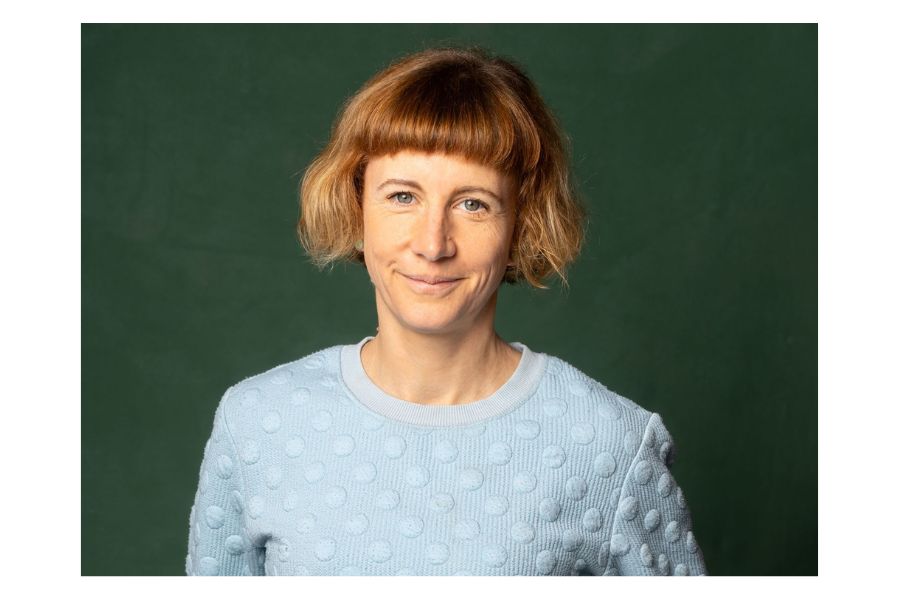
By Sean Sable
When English Touring Opera announced that it was relocating its headquarters to Sheffield, it marked a significant new chapter for the company. As the Spring 2026 tour prepares to open at the Lyceum next month, there is a palpable sense of transition and ambition in the air. Northern Arts Review’s Sean Sable caught up with English Touring Opera’s CEO and Artistic Director, Robin Norton-Hale, to discuss the move north, the opportunities Sheffield presents, and the bold new tour featuring The Gondoliers and Pagliacci.
1. English Touring Opera has moved its headquarters to Sheffield. What prompted the move, and why Sheffield?
We’re a touring company, so we’re always itinerant, but since 1979 the office had been in London. That’s often been the default for national organisations, hasn’t it? But when Arts Council England created a programme encouraging national companies to move out of London, we joined the transfer programme, narrowing our options to a few cities before selecting Sheffield as our new home. There are so many advantages. It’s geographically central, it’s a buzzy, diverse city with a vibrant music and arts scene, and we were made to feel genuinely welcome by the universities, Sheffield Theatres, and the music hub. It felt like somewhere we could both fill a gap in provision and meaningfully collaborate.
2. How significant is it to open your Spring 2026 tour in Sheffield for the first time?
It feels like a big moment in the move. We’re still rehearsing in London for now, simply because we haven’t yet found a rehearsal base in Sheffield large enough to accommodate two big operas at once, which is what we do every spring. For now, we’ll decamp to Sheffield in March and open at the Lyceum, a theatre we’ve had a close relationship with for years. It’s going to feel like a real milestone in the transition.
3. Does relocating mean a shift in your touring model?
Not at all. Moving our base to Sheffield doesn’t diminish the touring in any way. In fact, being so central to much of the country may make it easier in some ways. While Sheffield is our new base, we remain a national touring company—that’s our raison d’être.
4. Beyond the office move, how does working in a vibrant city like Sheffield shape your wider work?
The move has meant a greater focus on ensuring all strands of our activity have a presence in Sheffield. We produce two new operas for young people every year—a Key Stage 2 opera and a sensory opera primarily for learning-disabled audiences. These operas are given a combined total of nearly 100 performances all over the country, and we’d do even more if we had the resources – the appetite for them is huge. We’ve made Sheffield a priority for these shows, so while we might rotate where else in the country gets these operas year to year, we’ll always bring them to Sheffield. We also run projects in alternative provision settings, working with charities like The Difference to tackle the crisis in young people’s mental health, combining contemporary music practitioners with opera singers to help young people write lyrics and perform and record songs they compose.
5. This season opens with The Gondoliers and Pagliacci. They’re strikingly different works. Was that pairing thematic?
Very much so. Since I began programming, I’ve tried to create thematic links not just between the two main productions, but also with our work for young people. With The Gondoliers and Pagliacci, both operas explore performance and identity, albeit in very different ways. The Gondoliers plays with mistaken identity and satirises class and power—who we are, versus how we’re treated. Pagliacci, meanwhile, is about travelling performers whose real lives bleed into their staged fiction. The tonal outcomes are wildly different, but the connection is strong.
6. The concept for Pagliacci this season sounds particularly intriguing. Can you tell us more?
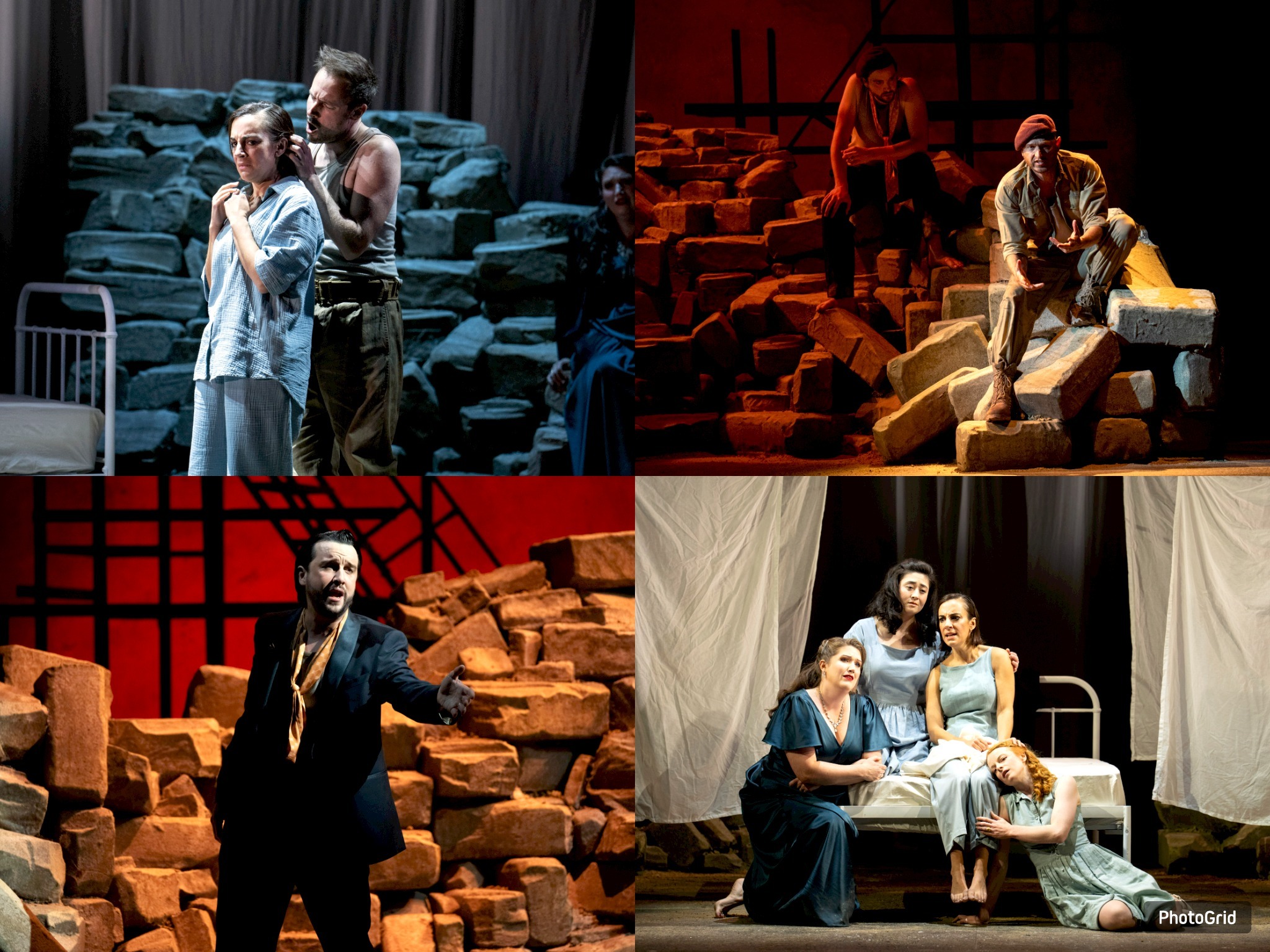
Our director, Eleanor Burke, has drawn inspiration from Richard Burton and Elizabeth Taylor. She wanted to examine that early celebrity culture where audiences felt more invested in the offstage relationship than the roles being played. We’ve made the travelling players slightly more upmarket than usual, and the chorus becomes almost malignant, demanding something back from the celebrities they’ve made. It taps into that contemporary sense of parasocial relationships and the idea that audiences feel ownership over performers. It’s not set fully in the present, but more broadly in the 1970s with elements borrowed from other eras; it feels very exciting and current.
7. You’ve translated Pagliacci into English. What does that process involve?
Translating opera is very different from translating a novel. I’m not a fluent Italian speaker, and I would never translate standard prose from Italian, but opera translation is about serving the music in English. You absolutely need to understand what the original means and which words are musically coloured. You wouldn’t want to put “the” on a decorated high note originally meant for “love.” But the greater demand is for English that sings. The rhythm, stress, and musical phrasing dictate choices, so sometimes you shift slightly away from literal meaning to preserve musical integrity. And with Pagliacci, because it’s verismo and gritty, I’ve often avoided full rhymes, using half rhymes instead, because rhyming in English doesn’t have the same quality it does in Italian. It can feel too neat or a bit twee, which isn’t always the right effect, especially for a violent story. I did get to indulge in some deliberately ridiculous rhymes in the play-within-the-play which was fun.
8. You’re opening in Sheffield with Gilbert and Sullivan’s The Gondoliers. What draws you to that piece right now?
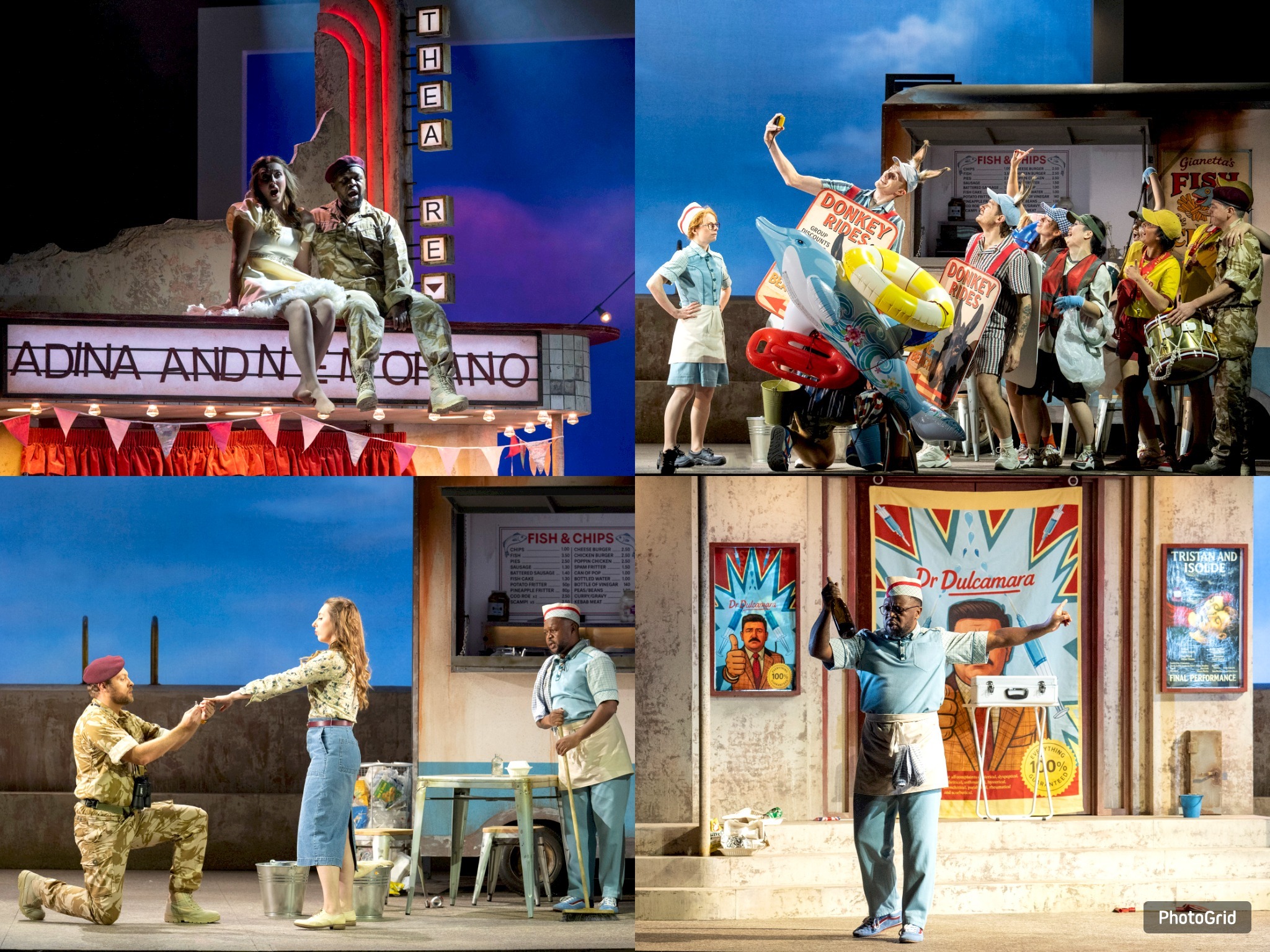
The Gondoliers is such a joy, but it’s also much sharper than people sometimes remember. Yes, it’s about mistaken identity—babies swapped at birth, a gondolier who turns out to be a king, but then isn’t after all—and it’s enormous fun. But like so much Gilbert and Sullivan, it’s also a satire about class and power and how people treat you when they think you’re important. It’s really not about who you are at all, but about status, and that feels very current. It’s playful, of course, but it’s also asking serious questions underneath. And visually, it’s going to be extraordinary: we’ve got this 18th-century world highlighted with flashes of more modern acid-toned colours, so you get the grandeur and the wit, but also something that feels alive rather than museum-like.
9. Finally, on a personal note—you have a film of La Bohème on the way. What drew you back to that work?
La Bohème was the first production I staged with OperaUpClose in 2009, in the back room of a pub in Kilburn. It’s a perfect opera, really. It’s about ordinary people falling in and out of love, arguing, going to the pub. Yes, it ends tragically, but for most of it, it’s about very recognisable lives. In a big opera house, the scale can obscure that ordinariness. The film, shot in Hackney, tries to recapture that intimacy—that sense that these are slightly entitled young artists playing at poverty who then encounter real hardship and don’t quite know what to do with it. As an independent film with a small budget, it’s taken time—but I’m very proud of it.
More information on the Spring tour productions can be found here.
The Gondoliers opens at Lyceum Sheffield on 20 March, while Pagliacci runs from 21 March. Tickets are available here.
Sean Sable is a Yorkshire-based freelance writer and editor specialising in Young Adult and Horror fiction, frequently at the same time. When she isn’t buried under a pile of books and manuscripts, she is looking for her keys and having extensive one-sided conversations, in Swedish, with her deaf cat. You can find her online at: www.seansable.co.uk
Trending Now
Review: A Christmas Carol at Leeds Playhouse
You may also like