Interview: Director Holly Race Roughan discusses staging one of Shakespeare’s most popular staged plays
 Shannaz
Posted On January 21, 2026
Shannaz
Posted On January 21, 2026
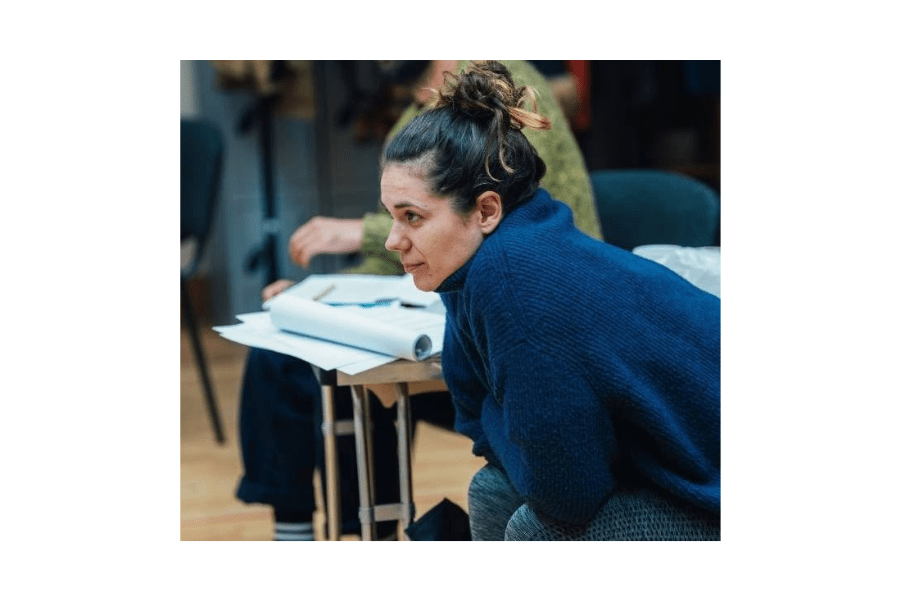
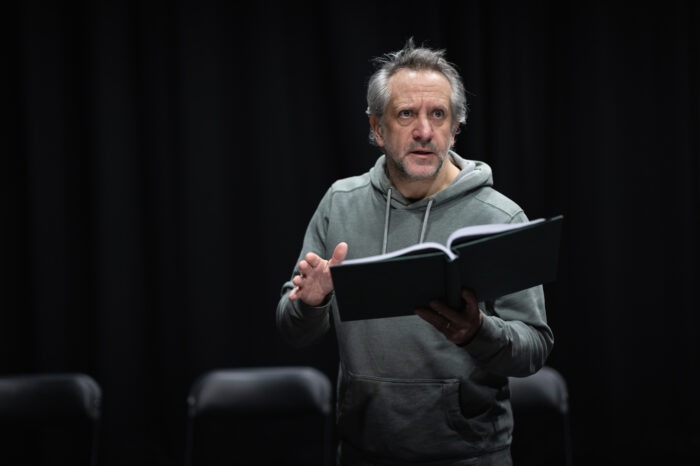
A Midsummer Night’s Dream, which comes to the Quarry Theatre at Leeds Playhouse from 14 – 28 February, is the striking new production from Headlong’s Artistic Director Holly Race Roughan. The production shows that all plays, no matter their age or place in the public conscience, can be looked at through fresh eyes.
Shakespeare’s A Midsummer Night’s Dream is one of The Bard’s most popular and frequently staged plays and yet there is still so much to explore within its story, says Holly Race Roughan, director of the pioneering theatre company, Headlong.
And so when Holly and her team were invited by Shakespeare’s Globe to create a new production of the classic, they delved into the story and its characters to uncover new layers to the centuries-old drama. After a hugely successful run at London’s Sam Wanamaker Playhouse at Shakespeare’s Globe, the show, which is a co-production between Headlong and Shakespeare’s Globe with Bristol Old Vic and Leeds Playhouse, is now coming Leeds Playhouse on 14 – 28 February. The initial inspiration for the new production came from the idea of performing a midsummer story in winter.
“I think there is something about staging a Midsummer Night’s Dream in the dead of winter,” says Holly. “that poses a very simple question to it’s creative team: ‘what does it mean to shine a light on the darkness in the play?”
“It is such a rich text that can be read in so many different ways that an opportunity to explore the murkier aspects of that play felt really exciting.” A Midsummer Night’s Dream focuses on the adventures of four young lovers during one night in the forest outside Athens while a parallel story features the king and queen of fairyland who have turned the seasons topsy-turvy as they battle over a changeling child. Within this framework the play touches on issues around power, love, sexual attraction, nature and freedom to choose – many themes the creative team have explored.
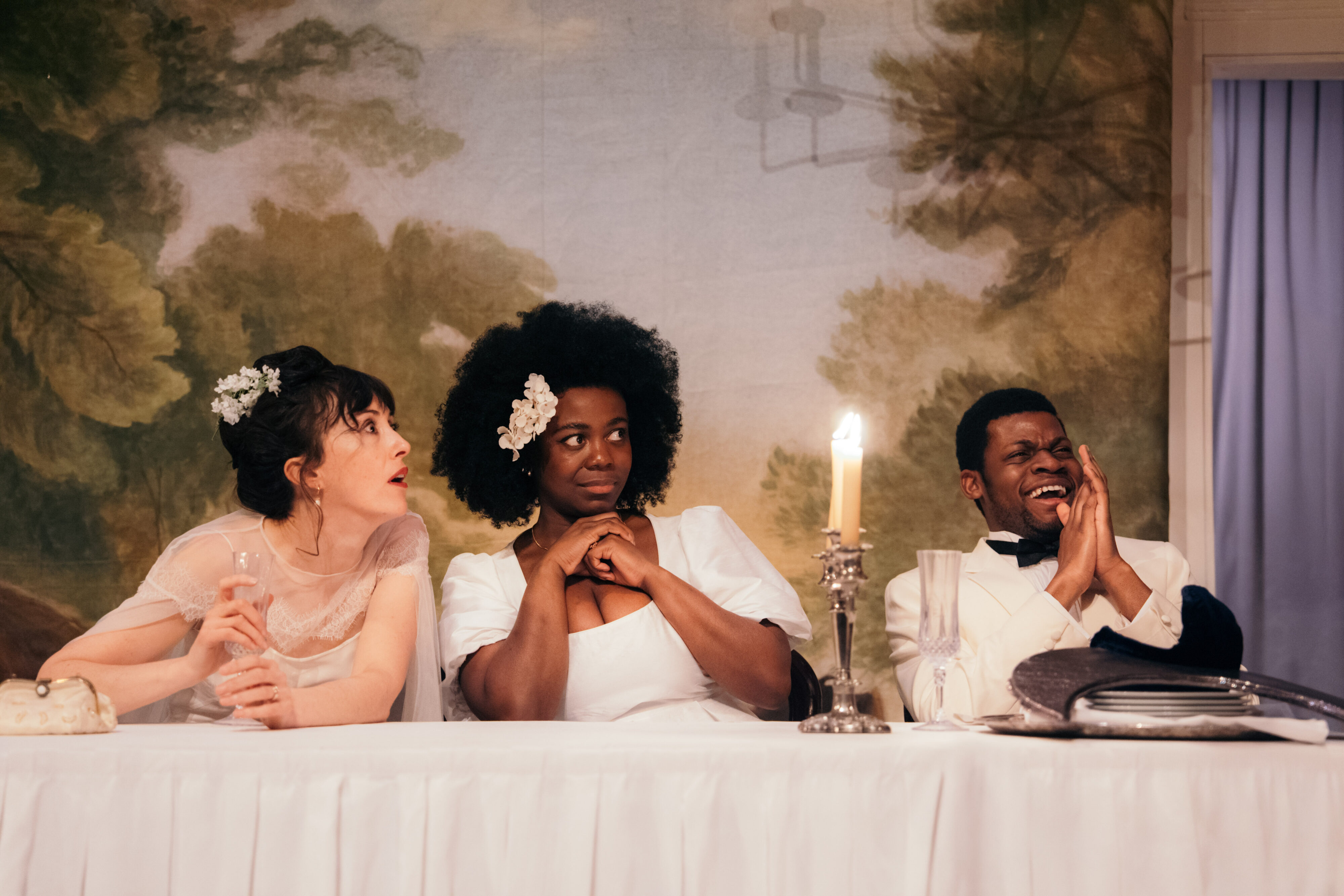
“Our production aims to explore the shadow side of those in power and how power can cast its own shadow over societies” Holly says.
“So, the court world of Athens in our production is quite pronounceably patriarchal and physical violence is very present. We were thinking a little bit about the rise of neo-fascism across Europe today and how the mortal world in the play is in conversation with fascistic rule.”
The production also features the tale of Bottom, a weaver and part of a group of amateur actors, who is changed into a donkey by the mischievous fairy Puck. “The transformation of a man into a donkey speaks directly to the horror genre. We tried to take seriously what it might feel like to suddenly see your body metamorphosise into that of an animal,” Holly explains.
“I think the north star of what we are trying to do with the show is to create a kind of pitch-black thriller for audiences to come and experience in the winter. But it’s inventive and playful as a show as well as having the thriller aspects to it.
“Part of the fun of the show is that even though we’ve gone dark in places, it’s still raucous and funny, and that is the gift of Midsummer Night’s Dream – it just works. One of the things that we have really enjoyed is how much the audiences have a version in their head that they also bring into the room and then they go with us in another direction.”
Oxford-based Headlong have built up a strong reputation for shaking up classic drama, giving audiences the opportunity to see familiar works with fresh eyes. The company’s recent productions include The House Party which was an adaptation of August Strindberg’s Miss Julie, and Lorraine Hansberry’s 1959 exploration of racism and inequality A Raisin in the Sun.

“Headlong has got a rich history of reinventing or reimagining classical work or treating a classic work as if it’s a new play. With this show we are giving the audience the opportunity to feel what it might have felt like in the 1500s when you went to see Midsummer Night’s Dream and you didn’t know what would happen next as it was a brand-new play.
“So we set ourselves that task: how do we meet an audience who is familiar with this text but also knowing that some who will be unfamiliar and bring them all on the journey of feeling like they don’t know what’s around the corner? To give them a thriller experience rather than a warm fluffy time at a comedy?
Part of this process has involved not only reducing the length of Shakespeare’s original script but also bringing in quotes from others of his works which the team felt helped illuminate ideas in A Midsummer Night’s Dream. “We’ve borrowed from other Shakespeare plays so there’s a speech from Romeo and Juliet in there, there’s a bit from Hamlet, a tiny bit from King John and a tiny bit from Shakespeare’s sonnets. It’s all Shakespeare but some of it is in conversation with others of Shakespeare’s plays,” Holly says.
“Arguably all of Shakespeare’s plays are in conversation with each other and we’ve just brought that conversation more directly onto the stage. it’s really important to me that the text is clear and audiences can follow it and that it feels close to contemporary conversations in the way that it is performed.”
For Holly, reimagining The Bard’s work is a joy.
“Shakespeare is one of the very few playwrights who does psychology as well as story as well as pure theatre. That’s endlessly engaging for an audience. The depth of his work is extraordinary because he writes mainly in poetry, and I think poetry is very three dimensional on stage.
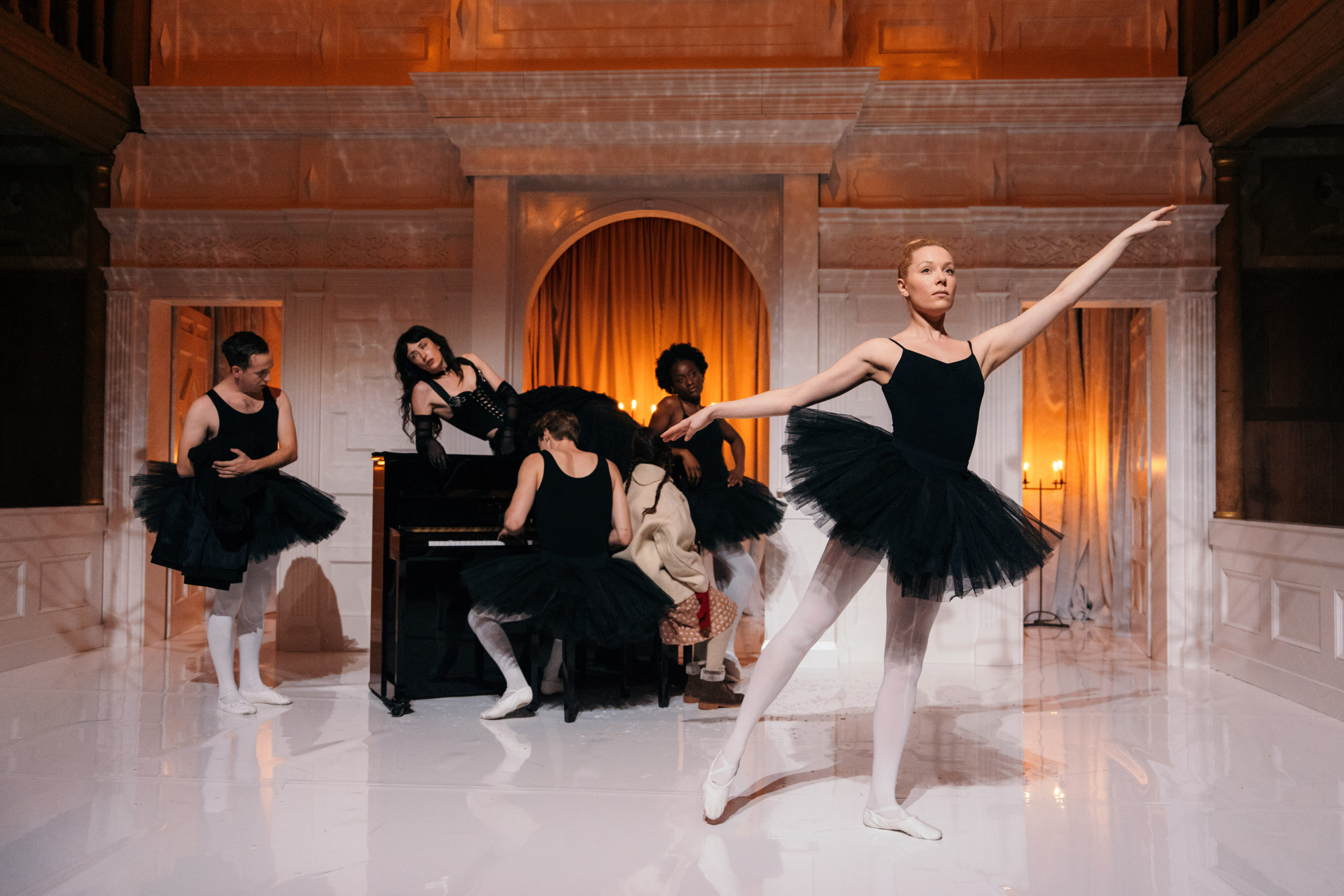
“Someone means what they are saying but there’s also layer and layer and layer to each line. So, there is a kind of iceberg underneath his writing that speaks to us spiritually on some level. Also, thematically he’s dealing with the epic, the political and the domestic all at one time in each play.
“So much of Shakespeare you can read one way or another, that’s why he is such a clever writer. Shakespeare’s plays are so robust and so well structured that they really can take bold and even naughty interpretations.”
And so, a drama about lovers and fairies written more than 400 years ago can, with some Headlong magic, have new interpretations for audiences.
“Artists help us to engage, comprehend, digest and feel what we are going through at this moment. Every writer was a new writer at the time of writing and when we are turning to these classics we are blowing the dust off them.”
A Midsummer Night’s Dream plays at Leeds Playhouse from 14 – 28 February. Tickets are available here.
Trending Now

Review: Enlightenment at People's Theatre
Review: A Christmas Carol at Leeds Playhouse
You may also like