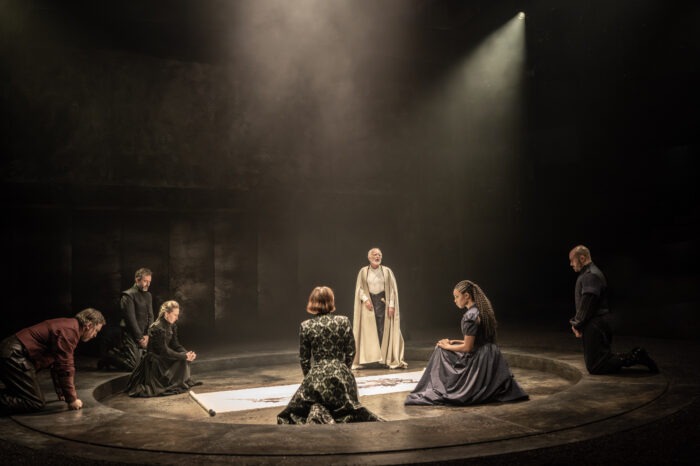
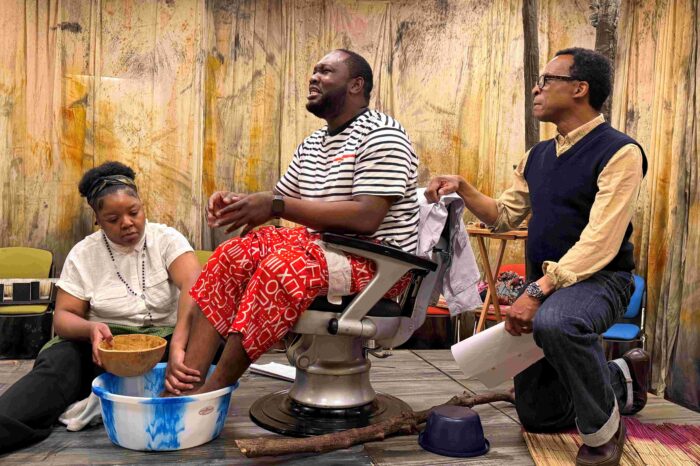
An interview with Mojisola Kareem, the director and executive producer of Death and the King’s Horseman
 Shannaz
Posted On January 23, 2025
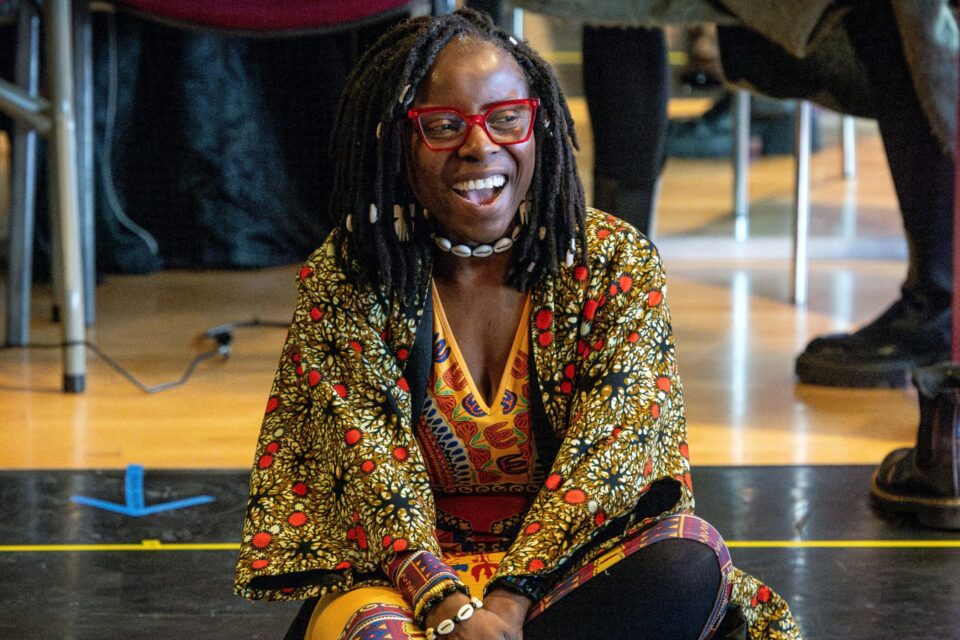
Interview with Mojisola Kareem, Director of Death and the King’s Horseman; co-produced by Utopia Theatre and Sheffield Theatres.
Utopia Theatre and Sheffield Theatres are set to stage Death and the King’s Horseman at the Crucible, Sheffield, from Monday 3 – Saturday 8 February 2025. Director and Executive Producer of the show, Mojisola Kareem, discusses her vision for this new production of the revered play. A thought-provoking theatrical experience with music and dance, Death and the King’s Horseman is rooted in the culture and spirituality of the Yoruba people . The story follows Elesin, the king’s horseman, who must honour the Yoruba tradition of ritual suicide to accompany the deceased king on his final journey.
What is your artistic vision for the staging of the play?
My direction for Death and the King’s Horseman is anchored in the vibrant identities of indigenous cultures, with a particular focus on Yoruba traditions and belief that everything has a spirit, weaving magical realism and spiritual struggle into the narrative. The production will display Yoruba storytelling, celebrating our traditions through music, dance, and attire that honour our ancestors and values.
Part of my vision is to demonstrate the connection between the physical and spiritual realms through the staging and design. Our set and costumes draw from Yoruba artistry and characters will be portrayed with emphasis on their struggles with cultural expectations and the impact of colonial influences. As a Yoruba woman, my intention is to create a heartfelt tribute to our cultural heritage.
Can you tell us more about the Yoruba people?
The Yoruba people of southwest Nigeria are one of Africa’s most influential groups, feeding into social, cultural, educational, political, and commercial lives across the world. They are one of the largest ethnic groups in sub-Saharan Africa and are the largest African community in the UK.
Yoruba art, religion and philosophical tradition has offered cultural inspiration since its ancient roots dating back to 1500 BCE, and continues to intrigue scholars and artists worldwide to delve into its rich history, which is where I found influence when bringing together elements of Death and the King’s Horseman.
What’s the driving force behind your choice to stage this play?
I was drawn to this play because it is beautifully written and portrays a world that I feel I have a good grasp on. As a female director, I chose to interrogate the complex roles and contradictions faced by women in society. I hope to offer a fresh, transformative interpretation by bringing contemporary insights into the portrayal of gender dynamics. As a proud Yoruba woman, I’ll be delving into complex female characters’ motivations and relationships, emphasising their strength, influence and vital roles in their communities – despite societal constraints – and ensuring their perspectives are fully realised and appreciated.
I’m excited to explore the intersection of Yoruba culture and colonial influences’ impact on women, traditional roles and underlying misogyny, and will be encouraging audiences to reflect on these issues.
Death and The King’s Horseman was written in 1975 and has only been staged in the UK a handful of times since then. How important is it that theatres not only capture new stories but also enable traditional stories to be told?
In a rapidly changing world, it’s essential that theatres not only celebrate new stories but also honour and share traditional tales. This balance fosters a richer, more inclusive cultural dialogue.
Traditional stories offer a bridge to cultural heritage, allowing audiences to connect with histories that remain relevant today. They provide a platform for exploring complex social issues, such as duty and collective responsibility, honour, and colonialism, which resonate across generations.
Staging works like Death and the King’s Horseman enriches the theatrical landscape by showcasing diverse voices and perspectives and challenges contemporary audiences to reflect on their own experiences and the narratives that shape our understanding of the modern world.
Additionally, I want to celebrate the excellence and resilience of people of African heritage. Highlighting our stories and cultural heritage, I hope to inspire a deeper appreciation for our contributions to the arts and society. This production is not just a performance; it’s a celebration of identity, history, and greatness.
What does it mean to you to be able to stage Death and the King’s Horseman and what would you say to people who may not be familiar with Wole Soyinka’s work?
Staging Death and the King’s Horseman is both an honour and a privilege for me. As an admirer of Wole Soyinka’s work, bringing this powerful play to life feels like a dream come true. It represents a significant moment in my artistic journey, plus a connection to my Yoruba heritage and the rich storytelling traditions it embodies.
For those who may not be familiar with Wole Soyinka’s work, I would say that his plays offer profound insights into the complexities of human nature, culture, and the interplay between tradition and modernity. Death and the King’s Horseman specifically explores themes of duty and sacrifice, cultural misunderstanding, and the importance of ritual.
How does this production align to Utopia Theatre’s mission?
As we aim to be the UK’s leading voice and producer of African theatre, this production embodies our commitment to showcasing innovative works that celebrate African culture and storytelling and encourage authentic voices from the African diaspora.
By staging this play, we invest in artists from within the African community to develop their skills, gain valuable experience in a professional setting and empower them to share their unique stories.
Death and the King’s Horseman contributes to a broader dialogue about African narratives, fostering a sense of community and connection that extends beyond the theatre walls.
Tickets are on sale now and can be booked through the Sheffield Theatres’ Box Office in person, over the phone, on 0114 249 6000 or online. For more information about Utopia Theatre, visit www.utopiatheatre.co.uk
Trending Now
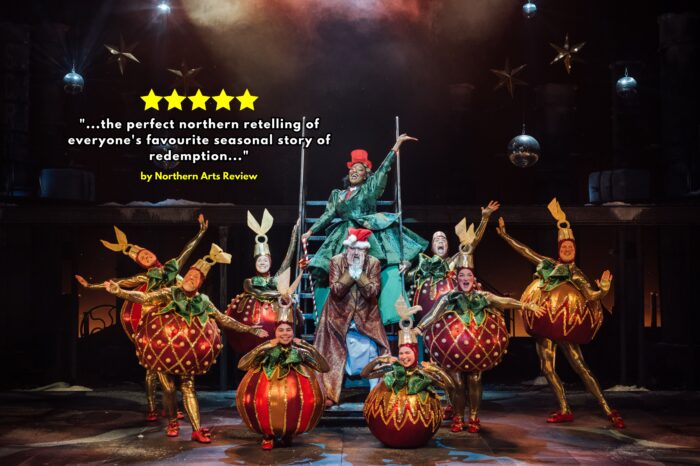
Review: A Christmas Carol at Leeds Playhouse
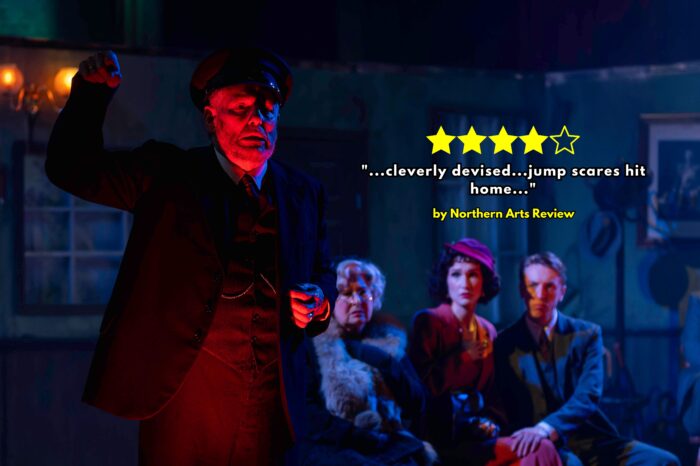
Review: The Ghost Train at People's Theatre
You may also like